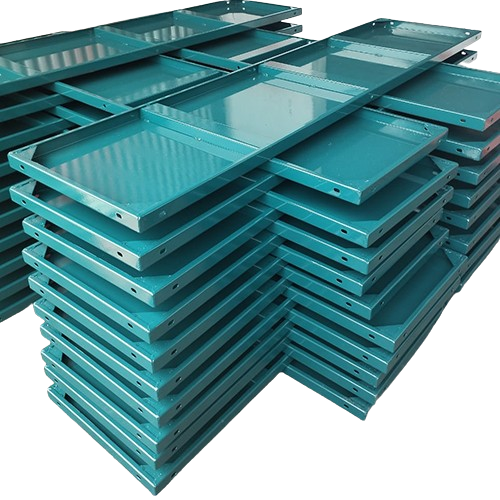
Corrosion-resistant centering sheets are a crucial component in construction formwork, designed to provide robust, long-lasting support for wet concrete while resisting rust and deterioration in harsh environments. Their durability and resistance to corrosion make them a superior and reusable alternative to traditional wooden formwork. Key Features and Benefits Corrosion Resistance: The primary feature is a protective finish or inherent material property that shields the metal from moisture and environmental elements, extending the sheet's life and ensuring reliable performance. Durability and Strength: Typically made from high-grade materials like mild steel (MS), aluminum, or galvanized steel, these sheets are engineered for high load-bearing capacity and resistance to damage and deformation during the concrete casting process. Reusability: Unlike wood, the robust and corrosion-resistant nature of these sheets allows for multiple uses across numerous projects, reducing material waste and overall project costs. Dimensional Accuracy: Precision engineering ensures consistent size and shape, which is vital for creating structurally sound and dimensionally accurate concrete elements like slabs, beams, and columns. Ease of Use: They often feature pre-drilled holes or integrated angles for easy and quick installation and removal, streamlining the construction process and saving labor time. Types of Corrosion-Resistant Treatments and Materials Centering sheets achieve their corrosion resistance through various methods: Protective Coatings: Mild steel sheets are frequently treated with protective coatings like red oxide paint or other high-quality paint finishes to form a barrier against rust. Galvanization: This process involves applying a protective zinc coating to the iron or steel. The zinc acts as a sacrificial anode, preventing the underlying steel from corroding even if the surface is scratched. Inherent Corrosion Resistance: Aluminum is naturally corrosion-resistant because it forms a tough, self-passivating layer of aluminum oxide when exposed to air, which prevents further oxidation of the underlying metal. Stainless steel alloys contain chromium, which oxidizes to form a protective film of chromium oxide on the surface, offering excellent resistance to rust. Common Applications Corrosion-resistant centering sheets are widely used in reinforced cement concrete (RCC) work across the construction industry: Slab Construction: Forming the temporary base for concrete floors and roofs. Beam and Column Construction: Creating the necessary formwork to maintain the shape and alignment of vertical and horizontal structural elements. Infrastructure Projects: Used in building bridges, tunnels, dams, and retaining walls, where exposure to varied environmental conditions is common.
Coimbatore
08043692962
+919994767762
 Chat with us
 Chat with us