Thank you for writing to us. One of our executive will reach back to you through your submitted medium. In case there’s an urgency, feel free to connect over WhatsApp for faster response.
Prefer calling? Dial +9108043692962 (International callers) or 08043692962 (Indian callers).
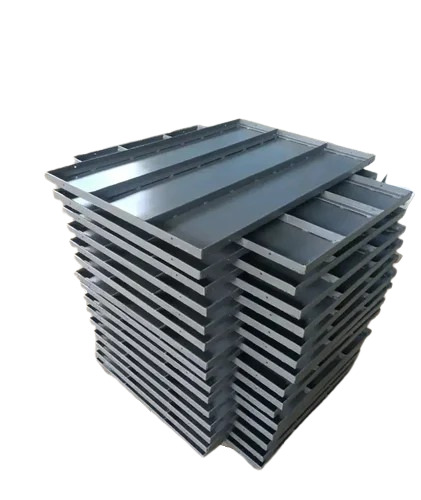
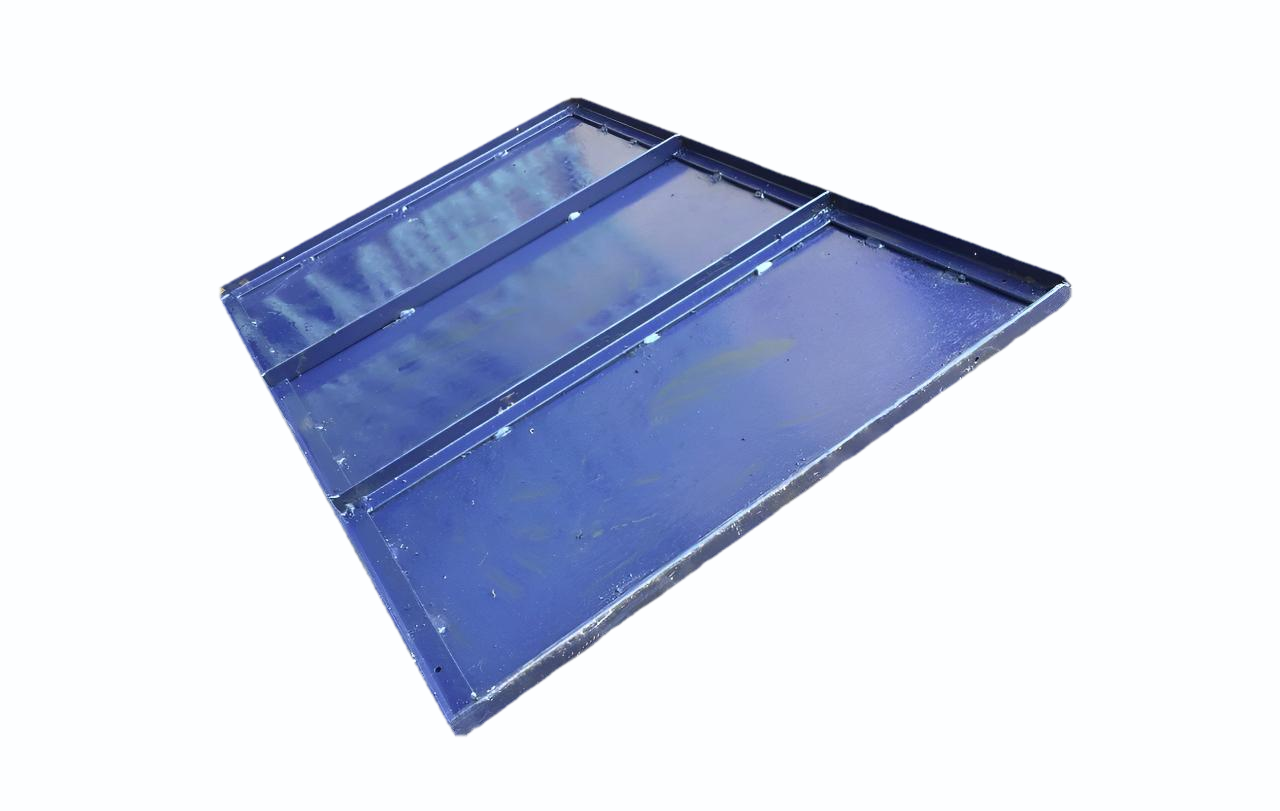
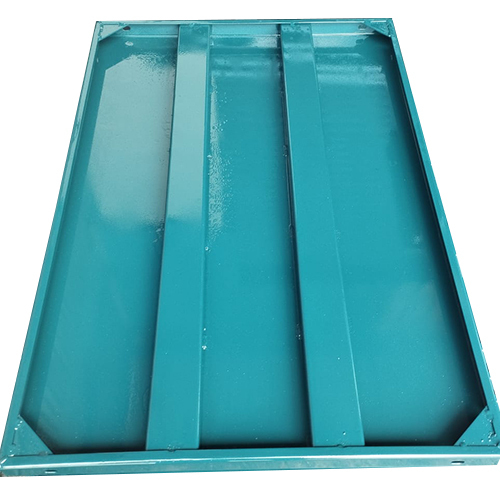
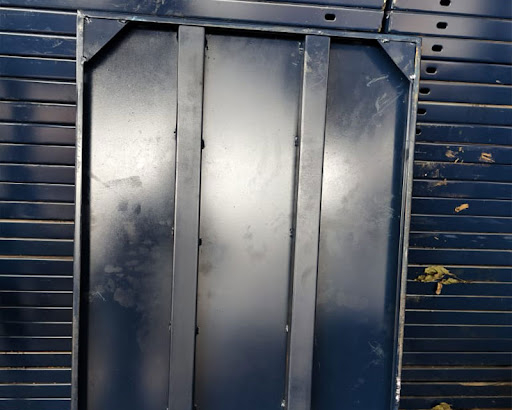
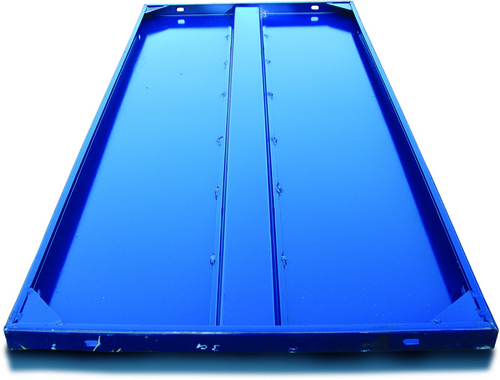
Rectangular centering sheets are temporary, flat steel plates used as part of a formwork system to support wet concrete until it hardens. They are placed within a framework to create a smooth, even surface for horizontal concrete elements like slabs and beams, and are designed to be durable, rust-free, and corrosion-resistant. After the concrete is strong enough, the centering sheets are removed. Key details Purpose: To provide temporary support for the weight of wet concrete in horizontal structures such as slabs, beams, and canopies, ensuring a finished, even surface once the concrete cures.Material: Typically made from mild steel or hot-rolled steel.Features: They are designed to be durable and rust-free, with many being corrosion-resistant. Some may be painted or have a special coating (e.g., red oxide, color galvanized).Dimensions: They are available in standard rectangular sizes, with a common example being (600times 900) mm.Thickness: The thickness can vary, with examples like (3) mm for mild steel plates or (8.5) mm for some hot-rolled sheets.Tensile Strength: A high tensile strength, such as (235) MPa, is often specified for durability.Application: They are used in conjunction with other formwork components like props and scaffolding to support the entire concrete structure until it can support its own weight.

“Iron centering sheets“ are a type of formwork (or shuttering) material used in construction to provide temporary support for wet concrete in slabs, beams, and columns until it sets and gains sufficient strength.
Key Details
Function: The primary function is to create a stable, level platform that holds the green (wet) concrete in its designed shape and prevents sagging or deformation during the curing process.
Material: They are typically made from high-strength mild steel (MS). These sheets may be coated with red oxide paint or galvanized (zinc-coated) to provide corrosion resistance and increase durability.
Durability and Reusability: Unlike traditional timber formwork, iron (steel) sheets are highly durable and can be reused multiple times across many projects, making them a cost-effective solution in the long run.
Efficiency: Their use speeds up the construction process by allowing for quick assembly and dismantling and providing a consistent, smooth finish to the concrete surface, which often reduces the need for extensive post-casting finishes.
Safety: By ensuring a stable and reliable support system, they enhance safety on the construction site, reducing the risk of structural failure during the critical curing phase.
Versatility: They are used in various construction applications, from residential buildings to large infrastructure projects like bridges and commercial complexes.
Common Specifications
Dimensions: Standard sizes often include 3x2 feet (approx. 900mm x 600mm) and 4x2 feet. Odd dimensions can be accommodated using adjustable form components.
Thickness: Common thicknesses range from 2mm to 3mm, though other options up to 15mm are available depending on the specific load-bearing requirements.
Weight: A standard 3x2 ft sheet typically weighs between 13 kg and 16 kg.
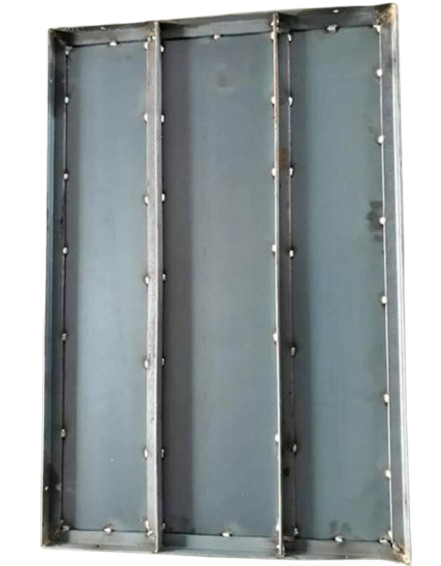
Types: Variations include flat sheets, angle-welded sheets for added rigidity, and modular systems that integrate with other scaffolding components like props and spans.
Usage
The sheets are part of a larger formwork system that includes props (vertical supports), spans (horizontal members), and adjusters. Once the concrete has gained sufficient strength (which varies based on the structural element and is governed by construction codes), the centering is “stripped“ or removed.
Folding centering sheets are reusable, collapsible steel panels used as formwork support in construction for casting concrete slabs and beams. Key details include their mild steel construction, durability, and foldable design which saves storage space and simplifies handling, making them a cost-effective and convenient option for temporary structures.
Purpose and use
Formwork support: They are crucial for supporting the formwork (staging) that holds concrete in place while it cures.
Slab casting: They are particularly useful for casting concrete slabs, beams, and canopies, providing a flat, stable surface.
Reusable and temporary: They are part of a temporary structure (staging) that is removed after the concrete gains sufficient strength.
Design and features
Folding design: The primary feature is their ability to be folded, which dramatically reduces storage space and makes them easier to transport and handle on a job site.
Material: Typically made from mild steel (MS).
Durability: Built to be durable and reusable for multiple projects, increasing cost-effectiveness.
Standard sizes: Common dimensions include 3 ft x 2 ft, with other sizes also available depending on the manufacturer.
Corrosion resistance: Many are designed with features like rust-proofing to ensure a longer service life.
Color: Often color-coated, such as blue or grey, for identification or protection.
Advantages
Cost-effective: Their reusability makes them a more economical choice than single-use formwork materials.
Convenient: The foldable design makes them easy to store, transport, and set up, improving workflow and productivity.
Efficient: They help ensure dimensional accuracy and provide reliable, strong support for concrete structures.
A mold centering sheet, also known as a centering plate, is a temporary construction component, typically made of high-grade steel, used to support horizontal concrete structures like slabs and beams until they are strong enough to bear their own weight. These sheets are available in various sizes and thicknesses and are designed to be durable, corrosion-resistant, and reusable. They are a type of falsework that provides a mold for the wet concrete and helps ensure the final structure's precision and integrity.
Purpose: To provide temporary support for horizontal concrete structures like beams and slabs, holding them in place as the concrete cures and hardens.
Material: Commonly made from high-grade or mild steel, though aluminum is also used. The steel is often coated for protection.
Construction: Available in various specifications, such as sheet metal folding types or plain sheets, in different sizes like 600 x 900 mm or 600 x 1250 mm. Thicknesses vary, with common examples being 14 SWG (approximately 2 mm).
Durability and reusability: Steel centering sheets are known for their strength and ability to be reused multiple times, making them ideal for large or long-term projects.
Installation: Designed for ease of installation and removal. They are easy to handle and can be configured to support various shapes and sizes.
Application: Used in conjunction with vertical supports (props/posts) to create a complete temporary formwork system for concrete.
Advantages: They ensure the structural integrity and precision of the final concrete product, are resistant to harsh weather, and can handle higher load-bearing capacities compared to timber alternatives.
Centering sheets (also known as centering plates or floor forms) are essential temporary structural components used in the construction industry. They provide a robust, stable, and accurate formwork to support wet concrete during the casting of horizontal Reinforced Cement Concrete (RCC) structures like slabs and beam bottoms until the concrete hardens and can support itself.
Key Details and Explanation
Purpose
The primary function of centering sheets is to ensure the concrete maintains its intended shape and structural integrity during the curing process. They prevent sagging, deformation, and leakage of cement slurry, which is vital for the strength and finish of the final structure.
Materials and Specifications
Centering sheets are typically made from durable materials designed to withstand heavy loads and repeated use.
Materials: Most commonly made from high-strength materials like steel (often mild steel, e.g., 14 SWG/12 SWG thickness, or 2mm thick). Alternatives like timber, high-density polyethylene (HDPE), and composite materials also exist.
Design Features:
Welded/Riveted Angles: These reinforce structural integrity and provide additional support.
Corrosion Resistance: A protective finish is often applied to resist rust and deterioration, enhancing longevity.
Standard Sizes: Common standard sizes for steel plates include 600 x 900 mm (2 x 3 feet), 600 x 1250 mm, and 1150 x 600 mm, though customized sizes are widely available.
Adjusters: Smaller or specific-sized sheets/panels (adjusters) are used to fill in odd dimensions or complex shapes in slab formwork.
Difference from Shuttering and Staging
The terms centering, shuttering, and staging are often used interchangeably, but they have distinct roles within formwork systems:
Centering: Refers specifically to the horizontal formwork used for supporting elements like the bottom of slabs, beams, arches, and domes.
Shuttering: Refers to the vertical formwork components, such as the sides of columns, beams, and walls.
Staging: This is the overall temporary support structure (made of props, jacks, H-frames, etc.) that holds up the entire formwork system (both centering and shuttering) until the concrete gains sufficient strength.
Advantages of Using Centering Sheets
Durability and Reusability: Steel centering sheets can be reused multiple times, making them a cost-effective option for large projects.
Efficiency: They are designed for quick installation and removal, streamlining the construction process and saving time and labor costs.
Smooth Finish: They provide a uniform surface, which helps in achieving a smooth concrete finish and minimizing the need for extensive plastering.
Precision: Centering sheets are precision-engineered, ensuring dimensional accuracy and the correct alignment and leveling of structures.
Centering sheets, also known as centering plates or floor form panels, are a key component of temporary support systems used in concrete construction. They are used to create the formwork that supports horizontal concrete structures, such as slabs, canopies, and beams, until the concrete has hardened and can support itself.
Key Details and Features
Function: Centering sheets provide a rigid, temporary mold that ensures concrete maintains its designed shape and structural integrity during the curing process.
Material: Unlike traditional timber, modern centering sheets are typically made from durable materials like steel or aluminum, which offer enhanced strength, longevity, and reusability.
Design: They often feature welded or riveted angles for enhanced structural integrity and stability. They can be plain sheets or “folding-type“ for easier transport and storage.
Corrosion Resistance: Steel sheets often have a corrosion-resistant finish to protect them from environmental elements and extend their lifespan.
Adjustability: Adjuster pieces are available to fill in odd dimensions or shapes in the formwork layout, providing versatility for various project needs.
Advantages
Durability and Reusability: Steel and aluminum sheets can be reused multiple times across different projects, making them a cost-effective and sustainable option compared to timber.
Efficiency: Their standardized sizes and ease of installation help to streamline the construction process, potentially saving time and labor costs.
Finish Quality: They provide a smooth, even surface for the concrete, which often requires less finishing work (like plastering) later.
Strength: They offer a high load-bearing capacity and consistent performance, ensuring greater precision in shaping large or complex structures.
Common Applications
Centering sheets are an indispensable asset in a wide range of construction scenarios, including:
Residential and High-Rise Buildings: Supporting floors, walls, and columns.
Infrastructure Projects: Used in the construction of bridges, tunnels, dams, and retaining walls.
Industrial Facilities: Employed in factories, warehouses, and manufacturing plants.
Complex Architectural Elements: Vital for providing support to curved structures like arches, domes, and vaults where maintaining a precise shape is crucial.