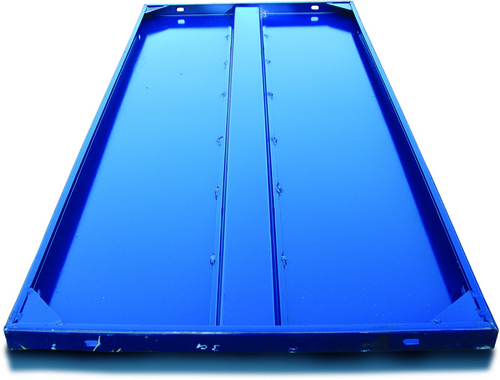
Centering sheets, also known as centering plates or floor form panels, are a key component of temporary support systems used in concrete construction. They are used to create the formwork that supports horizontal concrete structures, such as slabs, canopies, and beams, until the concrete has hardened and can support itself. Key Details and Features Function: Centering sheets provide a rigid, temporary mold that ensures concrete maintains its designed shape and structural integrity during the curing process. Material: Unlike traditional timber, modern centering sheets are typically made from durable materials like steel or aluminum, which offer enhanced strength, longevity, and reusability. Design: They often feature welded or riveted angles for enhanced structural integrity and stability. They can be plain sheets or “folding-type“ for easier transport and storage. Corrosion Resistance: Steel sheets often have a corrosion-resistant finish to protect them from environmental elements and extend their lifespan. Adjustability: Adjuster pieces are available to fill in odd dimensions or shapes in the formwork layout, providing versatility for various project needs. Advantages Durability and Reusability: Steel and aluminum sheets can be reused multiple times across different projects, making them a cost-effective and sustainable option compared to timber. Efficiency: Their standardized sizes and ease of installation help to streamline the construction process, potentially saving time and labor costs. Finish Quality: They provide a smooth, even surface for the concrete, which often requires less finishing work (like plastering) later. Strength: They offer a high load-bearing capacity and consistent performance, ensuring greater precision in shaping large or complex structures. Common Applications Centering sheets are an indispensable asset in a wide range of construction scenarios, including: Residential and High-Rise Buildings: Supporting floors, walls, and columns. Infrastructure Projects: Used in the construction of bridges, tunnels, dams, and retaining walls. Industrial Facilities: Employed in factories, warehouses, and manufacturing plants. Complex Architectural Elements: Vital for providing support to curved structures like arches, domes, and vaults where maintaining a precise shape is crucial.

Coimbatore
08043692962
+919994767762
 Chat with us
 Chat with us