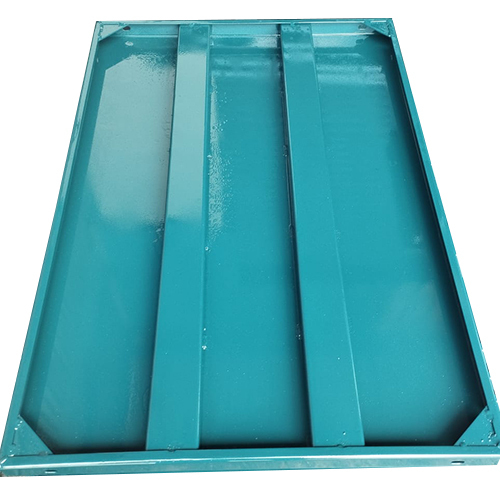
A mold centering sheet, also known as a centering plate, is a temporary construction component, typically made of high-grade steel, used to support horizontal concrete structures like slabs and beams until they are strong enough to bear their own weight. These sheets are available in various sizes and thicknesses and are designed to be durable, corrosion-resistant, and reusable. They are a type of falsework that provides a mold for the wet concrete and helps ensure the final structure's precision and integrity. Purpose: To provide temporary support for horizontal concrete structures like beams and slabs, holding them in place as the concrete cures and hardens. Material: Commonly made from high-grade or mild steel, though aluminum is also used. The steel is often coated for protection. Construction: Available in various specifications, such as sheet metal folding types or plain sheets, in different sizes like 600 x 900 mm or 600 x 1250 mm. Thicknesses vary, with common examples being 14 SWG (approximately 2 mm). Durability and reusability: Steel centering sheets are known for their strength and ability to be reused multiple times, making them ideal for large or long-term projects. Installation: Designed for ease of installation and removal. They are easy to handle and can be configured to support various shapes and sizes. Application: Used in conjunction with vertical supports (props/posts) to create a complete temporary formwork system for concrete. Advantages: They ensure the structural integrity and precision of the final concrete product, are resistant to harsh weather, and can handle higher load-bearing capacities compared to timber alternatives.

Coimbatore
08043692962
+919994767762
 Chat with us
 Chat with us