Thank you for writing to us. One of our executive will reach back to you through your submitted medium. In case there’s an urgency, feel free to connect over WhatsApp for faster response.
Prefer calling? Dial +919994767762 (International callers) or +919994767762 (Indian callers).
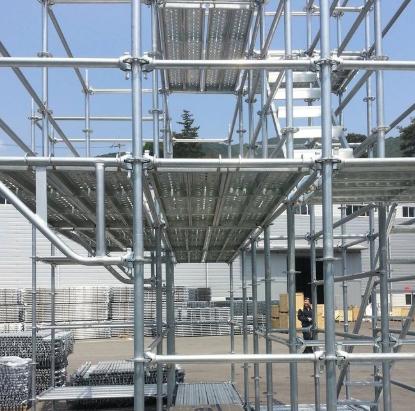
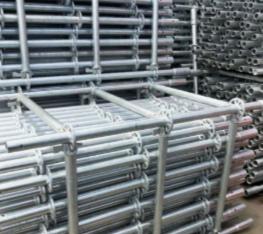
Looking for trusted steel scaffolding dealers in Tirunelveli? We offer high-quality steel scaffolding solutions designed for strength, durability, and maximum safety in all types of construction projects. Our scaffolding systems are ideal for residential, commercial, and industrial applications, ensuring stable and secure support at every stage of work.
We provide a wide range of steel scaffolding materials along with rental and sales services at competitive prices. With timely delivery, reliable service, and expert guidance, we are a preferred choice for builders and contractors in Tirunelveli.
Choose us for strong, safe, and cost-effective steel scaffolding solutions tailored to your project needs.
Looking for trusted scaffolding materials suppliers in Tirunelveli? We provide high-quality scaffolding materials that ensure safety, durability, and efficiency for all types of construction projects. Our range includes strong and reliable components suitable for residential, commercial, and industrial works.
We supply premium-grade scaffolding materials at competitive prices with timely delivery and professional support. Whether you need materials for small-scale construction or large infrastructure projects, we offer cost-effective solutions tailored to your needs.
Choose us for dependable scaffolding materials that meet industry standards and ensure smooth project execution.
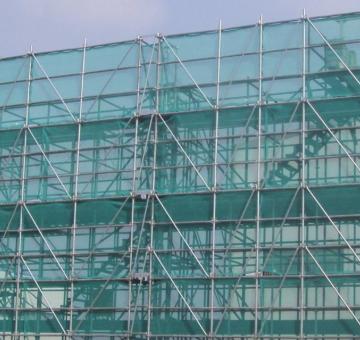
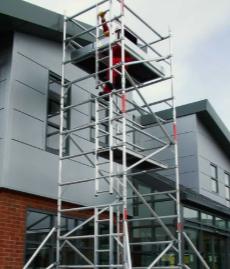
Looking for reliable construction scaffolding in Tirunelveli? We provide high-quality scaffolding solutions designed for safety, strength, and efficiency across residential, commercial, and industrial construction projects. Our scaffolding systems are built using durable materials to ensure maximum stability and worker safety at every stage.
We offer flexible scaffolding rental and sales services at competitive prices, along with prompt delivery and expert support. Whether it’s a small building project or large-scale construction work, we deliver customized scaffolding solutions to meet your exact requirements.
Choose us for dependable, cost-effective, and secure scaffolding services in Tirunelveli.
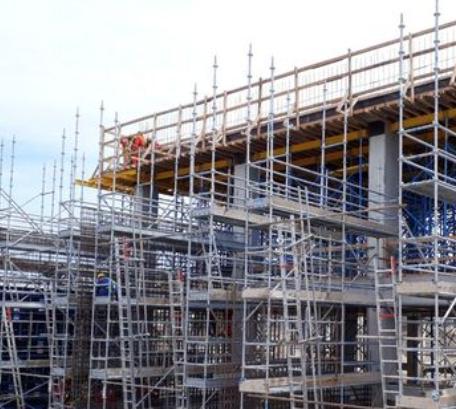
Looking for high-quality scaffolding in Tirunelveli? We provide strong, safe, and reliable scaffolding solutions for all types of construction projects, including residential, commercial, and industrial works. Our scaffolding systems are designed to ensure maximum safety, stability, and efficiency at every stage of construction.
We offer both scaffolding rental and sales services at affordable prices, along with timely delivery and professional support. Whether you need scaffolding for a small renovation or a large-scale project, we deliver durable and cost-effective solutions tailored to your requirements.
Looking for reliable scaffolding suppliers in Tirunelveli? We provide high-quality scaffolding materials for residential, commercial, and industrial construction projects. Our products are designed for safety, durability, and easy installation, ensuring efficient work at every stage of your project.
We offer a wide range of scaffolding solutions including rental and sales services at competitive prices. With timely delivery, expert support, and a commitment to quality, we have become a trusted choice for builders and contractors in Tirunelveli.
Whether you need scaffolding for small projects or large-scale construction, we ensure strong, secure, and cost-effective solutions tailored to your needs.
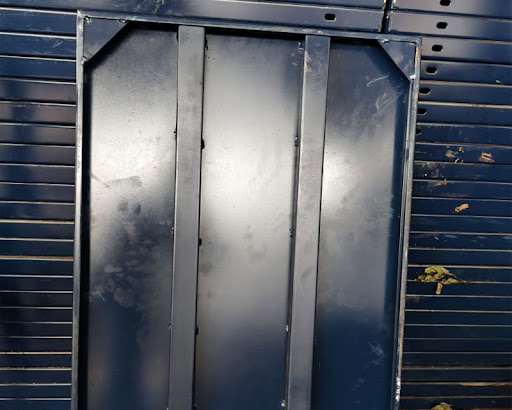
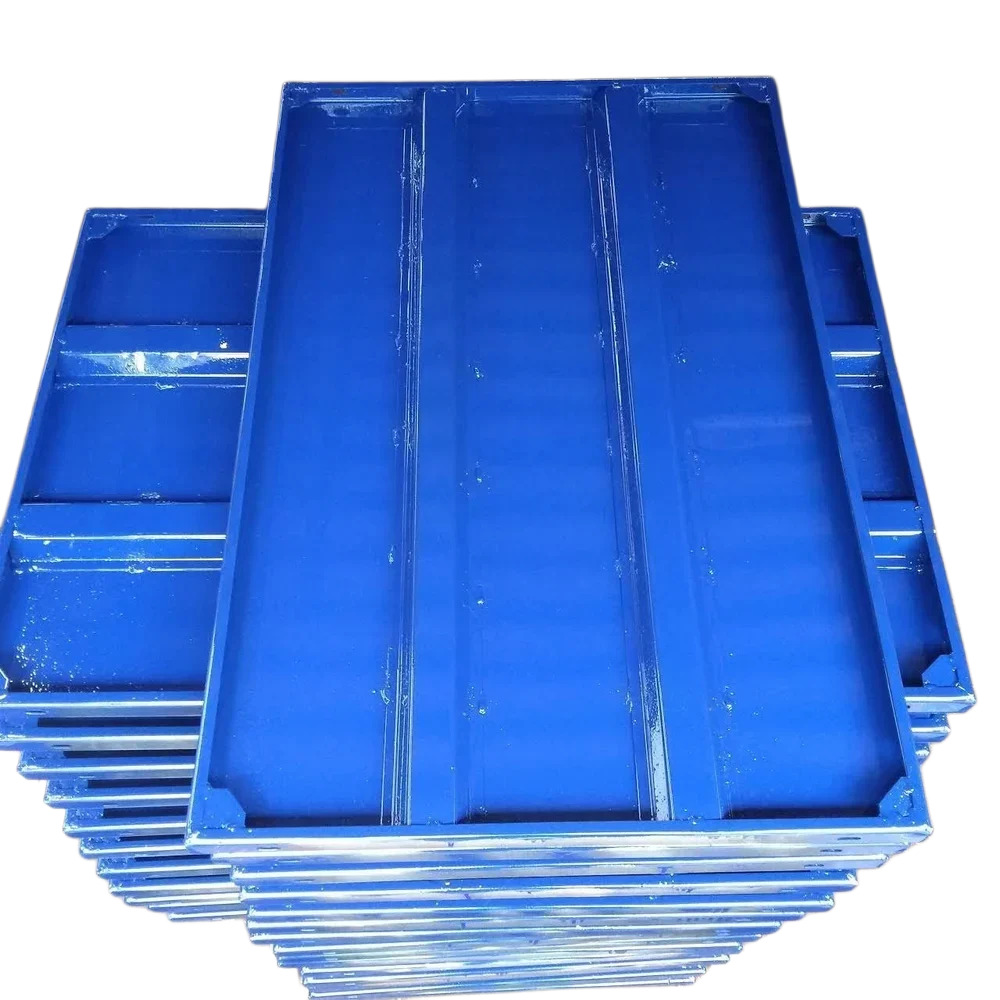
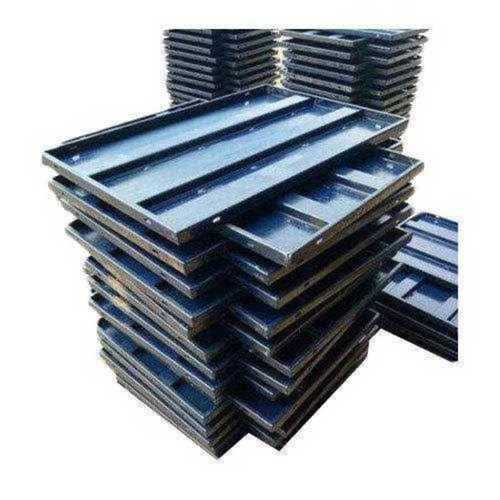
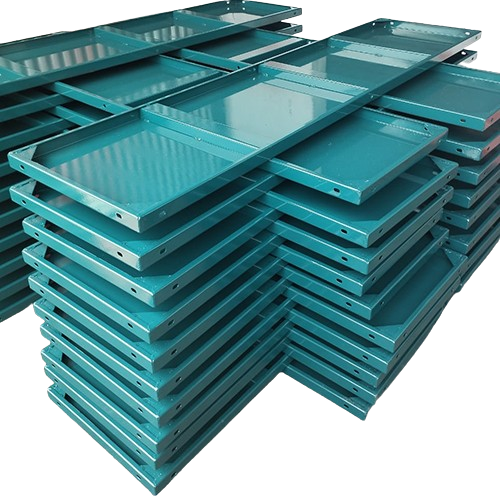
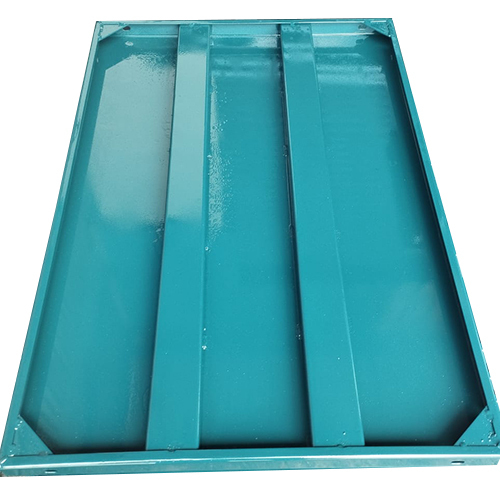
Durable iron centering sheets (also known as centering plates or steel formwork sheets) are robust, reusable components primarily used in construction to provide temporary support for wet concrete until it cures and gains sufficient strength. They are engineered for high strength, longevity, and efficiency in forming concrete structures like slabs, beams, and columns.
Key Features and Specifications
Material: Although often referred to as “iron,“ these sheets are typically made from high-strength mild steel (MS) due to steel's superior tensile strength and durability in construction applications.
Design: They usually feature welded or riveted angles (e.g., 35x35x5 mm thick) along the edges to enhance structural integrity and prevent deformation under heavy loads.
Dimensions:
Standard Sizes: Common sizes include 600 x 900 mm (2 x 3 feet) and 600 x 1250 mm.
Thickness: Available in various thicknesses, typically ranging from 2 mm to 10 mm or more, depending on load requirements.
Surface Finish: To ensure longevity and protect against harsh environmental conditions, they often have a protective finish, such as red oxide paint, color coating, or hot-dip galvanization, which makes them corrosion-resistant.
Load-Bearing Capacity: They are designed with high load-bearing capacity to safely support the substantial weight of wet concrete and construction activities.
Benefits in Construction
Durability and Reusability: Their primary advantage is exceptional durability, allowing for multiple reuses (often over 100 times, compared to a few for wood), which makes them highly cost-effective in the long run.
Structural Integrity: They ensure precise shaping, alignment, and structural integrity of concrete elements by providing a stable and rigid formwork system.
Efficiency: The modular and often lightweight-yet-rigid design of modern steel sheets allows for faster assembly and dismantling compared to traditional wooden formwork, which speeds up project timelines and reduces labor costs.
Safety: The stable platform they create enhances safety on construction sites by minimizing the risk of formwork failure during the concrete pouring and curing phases.
Versatility: They can be used in a wide range of applications, including high-rise buildings, bridges, tunnels, industrial facilities, and residential projects.
Limitations
Weight: They are heavier than alternatives like plywood or plastic, which can slow down manual handling and may require mechanical assistance in large projects.
Maintenance: They require regular cleaning and oiling (or proper storage for painted/galvanized versions) to prevent rust and ensure a smooth concrete finish for repeated use.
Hot-dipped galvanized (HDG) centering sheets are durable, corrosion-resistant steel plates used in construction as part of the formwork system to provide support for concrete structures during the curing process. The galvanization process provides long-lasting protection against rust in demanding environments.
Key Features and Details
Corrosion Resistance: The primary advantage of HDG centering sheets is their superior protection against rust and corrosion due to the zinc coating. This makes them suitable for various environmental conditions, including outdoor and industrial applications.
Durability and Strength: Made from high-quality steel (often mild steel or hot-rolled steel), these sheets offer reliable structural support and stability, capable of withstanding heavy loads during concrete pouring and curing.
Formwork Application: They are used as a flat, rigid surface within a formwork or shuttering system to create a smooth, even surface for the concrete slab, beam, or column. Once the concrete hardens, the sheets are typically removed and can be reused.
Manufacturing Process: The steel sheets are immersed in a bath of molten zinc (around 450°C) after a thorough cleaning process. This metallurgical reaction forms a strong, bonded coating.
Appearance: The initial appearance can vary (bright, shiny, matte, etc.), but this does not affect performance. Over time, a uniform, matte gray protective zinc patina develops.
Cost-Effective and Reusable: Due to their longevity and resistance to damage, HDG sheets are a cost-effective and reusable solution across multiple construction cycles.
Typical Specifications
Material: Mild Steel (MS) or Hot Rolled (HR) Steel.
Shape: Typically rectangular.
Common Sizes: Common dimensions include 3 x 2 feet (approx. 900 x 600 mm) or 4 x 3 feet, but customized specifications are available.
Thickness: Varies depending on loading requirements, often ranging from 2 mm to 10 mm or more.
Tensile Strength: Typically around 235 MPa.
Hot rolled centering sheets are steel sheets, often painted red, used as formwork in concrete construction to create smooth, even surfaces for casting. They are made from hot-rolled steel, meaning they are rolled at high temperatures, which gives them a durable and easy-to-shape quality. After the concrete has cured, the sheets are removed, leaving behind the desired finish. Key details and characteristics Purpose: Primarily used in construction as reusable formwork for casting reinforced concrete structures like slabs and beams.Material: Made from hot-rolled steel, which is strong and durable.Manufacturing process: Rolled at temperatures above (1700^{circ }F) ((>926^{circ }C)), making the material malleable and easy to shape.Finish: Often painted (frequently red) for corrosion protection and easy identification, as seen in the case of red centering sheets. Other colors, like blue, are also used, particularly when they are hot-dipped galvanized.Application: They are installed within a framework to create a smooth, even surface for wet concrete. Once the concrete hardens, the sheets are stripped away.Advantages: They provide strong support and a stable, accurate shape for the concrete during the curing process.Variations: They come in different sizes, with common dimensions being 3x2 feet. Thickness can also vary depending on the load requirements, with some having a hardness of up to 40 HRC.
“Used folding centering sheets“ are a type of reusable formwork made of steel for concrete construction, featuring a folding mechanism designed to enhance efficiency in transportation, storage, and assembly. The “used“ aspect refers to second-hand or rental units, which are a cost-effective solution for temporary construction needs.
Key Details
Function: They provide robust, temporary support (formwork or shuttering) for wet concrete during the casting of horizontal reinforced concrete (RCC) structures like slabs and beams until the concrete solidifies and gains sufficient strength to support its own load.
Material: Typically made from mild steel (MS), which offers high durability, structural integrity, and resistance to corrosion compared to traditional wooden plates, especially when treated with a protective coating like red oxide or galvanization.
Folding Mechanism: The primary feature is the folding design, which allows the sheets to be collapsed, significantly reducing the space required for storage and transportation and simplifying handling on the construction site.
Usage: They are extensively used in a variety of construction projects, including residential and high-rise buildings, industrial facilities, and infrastructure projects like bridges and tunnels.
Used/Second-Hand Market: Purchasing or renting used sheets is a common practice in the construction industry as it offers an economical alternative to new materials, allowing builders to acquire temporary shuttering solutions without a heavy initial investment.
Common Specifications
Used folding centering sheets often come in standard sizes, with common dimensions including:
3 ft x 2 ft (approximately 900 mm x 600 mm)
3 ft x 1.5 ft
2 ft x 3 ft
600 mm x 900 mm and 600 mm x 1250 mm (for non-folding types, but illustrative of size ranges)
Typical weights range from 12.5 kg to 16 kg depending on the exact dimensions and thickness (often around 14 SWG or 2mm thick).
Advantages
Cost-Effective: Buying or renting used sheets offers significant cost savings compared to purchasing new materials.
Reusable: Their durable steel construction allows them to be used multiple times across different projects.
Efficient Handling: The folding feature streamlines the logistics of moving and storing them.
Durability: They are built to withstand the rigors of construction environments, offering reliable performance.
Corrosion-resistant centering sheets are a crucial component in construction formwork, designed to provide robust, long-lasting support for wet concrete while resisting rust and deterioration in harsh environments. Their durability and resistance to corrosion make them a superior and reusable alternative to traditional wooden formwork.
Key Features and Benefits
Corrosion Resistance: The primary feature is a protective finish or inherent material property that shields the metal from moisture and environmental elements, extending the sheet's life and ensuring reliable performance.
Durability and Strength: Typically made from high-grade materials like mild steel (MS), aluminum, or galvanized steel, these sheets are engineered for high load-bearing capacity and resistance to damage and deformation during the concrete casting process.
Reusability: Unlike wood, the robust and corrosion-resistant nature of these sheets allows for multiple uses across numerous projects, reducing material waste and overall project costs.
Dimensional Accuracy: Precision engineering ensures consistent size and shape, which is vital for creating structurally sound and dimensionally accurate concrete elements like slabs, beams, and columns.
Ease of Use: They often feature pre-drilled holes or integrated angles for easy and quick installation and removal, streamlining the construction process and saving labor time.
Types of Corrosion-Resistant Treatments and Materials
Centering sheets achieve their corrosion resistance through various methods:
Protective Coatings: Mild steel sheets are frequently treated with protective coatings like red oxide paint or other high-quality paint finishes to form a barrier against rust.
Galvanization: This process involves applying a protective zinc coating to the iron or steel. The zinc acts as a sacrificial anode, preventing the underlying steel from corroding even if the surface is scratched.
Inherent Corrosion Resistance:
Aluminum is naturally corrosion-resistant because it forms a tough, self-passivating layer of aluminum oxide when exposed to air, which prevents further oxidation of the underlying metal.
Stainless steel alloys contain chromium, which oxidizes to form a protective film of chromium oxide on the surface, offering excellent resistance to rust.
Common Applications
Corrosion-resistant centering sheets are widely used in reinforced cement concrete (RCC) work across the construction industry:
Slab Construction: Forming the temporary base for concrete floors and roofs.
Beam and Column Construction: Creating the necessary formwork to maintain the shape and alignment of vertical and horizontal structural elements.
Infrastructure Projects: Used in building bridges, tunnels, dams, and retaining walls, where exposure to varied environmental conditions is common.
A mold centering sheet, also known as a centering plate, is a temporary construction component, typically made of high-grade steel, used to support horizontal concrete structures like slabs and beams until they are strong enough to bear their own weight. These sheets are available in various sizes and thicknesses and are designed to be durable, corrosion-resistant, and reusable. They are a type of falsework that provides a mold for the wet concrete and helps ensure the final structure's precision and integrity.
Purpose: To provide temporary support for horizontal concrete structures like beams and slabs, holding them in place as the concrete cures and hardens.
Material: Commonly made from high-grade or mild steel, though aluminum is also used. The steel is often coated for protection.
Construction: Available in various specifications, such as sheet metal folding types or plain sheets, in different sizes like 600 x 900 mm or 600 x 1250 mm. Thicknesses vary, with common examples being 14 SWG (approximately 2 mm).
Durability and reusability: Steel centering sheets are known for their strength and ability to be reused multiple times, making them ideal for large or long-term projects.
Installation: Designed for ease of installation and removal. They are easy to handle and can be configured to support various shapes and sizes.
Application: Used in conjunction with vertical supports (props/posts) to create a complete temporary formwork system for concrete.
Advantages: They ensure the structural integrity and precision of the final concrete product, are resistant to harsh weather, and can handle higher load-bearing capacities compared to timber alternatives.
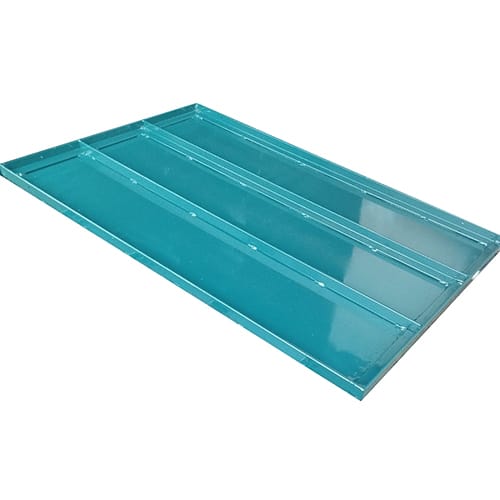
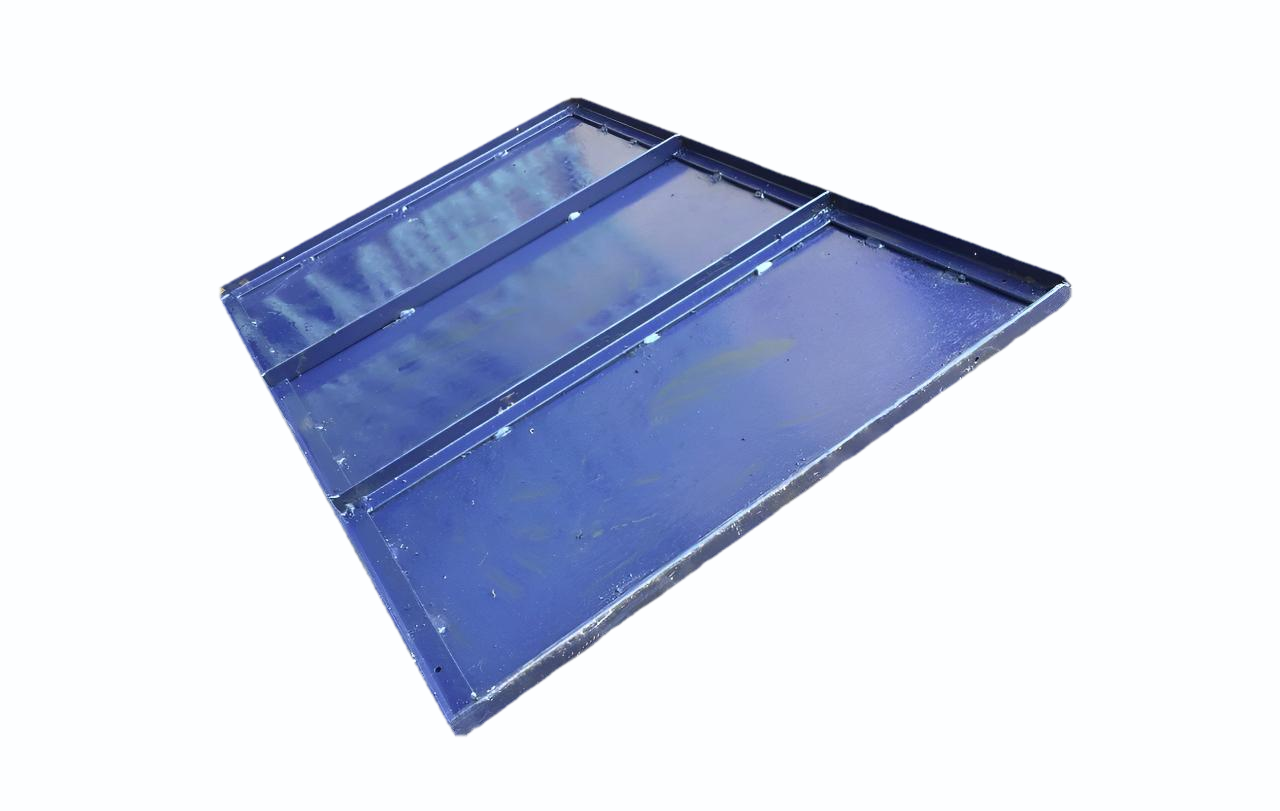
Folding centering sheets are reusable, collapsible steel panels used as formwork support in construction for casting concrete slabs and beams. Key details include their mild steel construction, durability, and foldable design which saves storage space and simplifies handling, making them a cost-effective and convenient option for temporary structures.
Purpose and use
Formwork support: They are crucial for supporting the formwork (staging) that holds concrete in place while it cures.
Slab casting: They are particularly useful for casting concrete slabs, beams, and canopies, providing a flat, stable surface.
Reusable and temporary: They are part of a temporary structure (staging) that is removed after the concrete gains sufficient strength.
Design and features
Folding design: The primary feature is their ability to be folded, which dramatically reduces storage space and makes them easier to transport and handle on a job site.
Material: Typically made from mild steel (MS).
Durability: Built to be durable and reusable for multiple projects, increasing cost-effectiveness.
Standard sizes: Common dimensions include 3 ft x 2 ft, with other sizes also available depending on the manufacturer.
Corrosion resistance: Many are designed with features like rust-proofing to ensure a longer service life.
Color: Often color-coated, such as blue or grey, for identification or protection.
Advantages
Cost-effective: Their reusability makes them a more economical choice than single-use formwork materials.
Convenient: The foldable design makes them easy to store, transport, and set up, improving workflow and productivity.
Efficient: They help ensure dimensional accuracy and provide reliable, strong support for concrete structures.